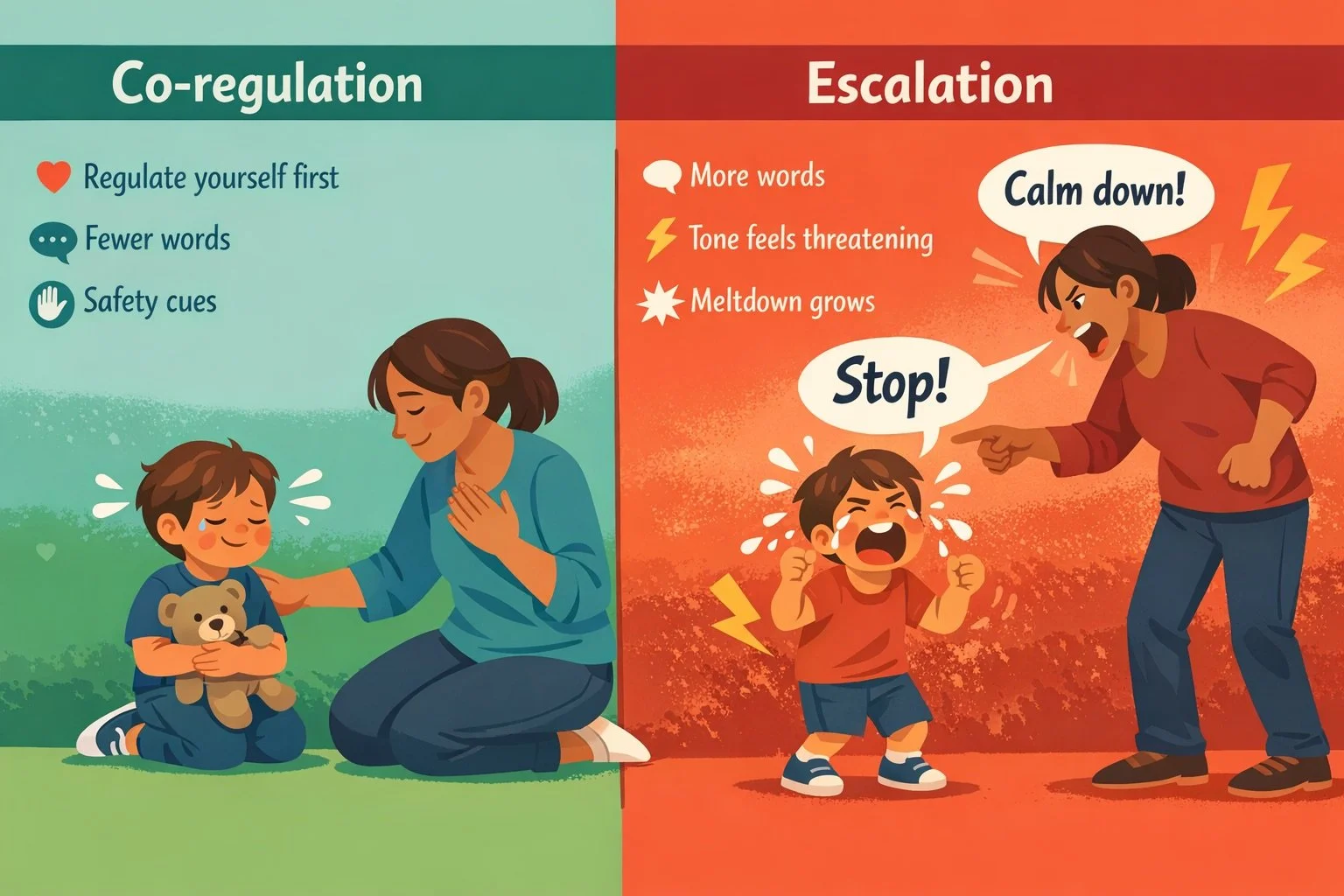


When “Doing It Right” Makes It Harder to Do It at All
Sometimes a task is hard to start not because you do not care, but because you care so much that beginning feels like a test. Learn how perfectionism, executive-function challenges, fear of mistakes, and OCD can look similar and how to choose a skill that fits the actual obstacle.

When "I'm Fine" Is Getting Expensive
You may still answer the emails, care for everyone, and meet every deadline while feeling like you are disappearing from your own life. This article explores the rising cost of "I'm fine," how depression and burnout can overlap, and why distress deserves care before a complete crash.

What If Anxiety Was the First Thing We Noticed, But Not the Whole Picture?
Anxiety is often what finally brings someone to therapy but the first thing recognized is not always the first thing that began. Explore how anxiety can exist independently, coexist with neurodivergence, or develop around years of masking and unsupported needs.

When Your Brain Hits "Go" Before You Do: Understanding Impulsivity Across the Neurodivergent Lifespan
Impulsivity isn't simply "thinking before you act." Learn why ADHD, autism, executive functioning, and OCD can look similar but function very differently—and discover practical tools for children, teens, and adults.

Back-to-School Isn't Just a New School Year….It's a Nervous System Transition
Learn practical back-to-school strategies for children with ADHD, autism, and AuDHD. Discover how to reduce anxiety, support executive functioning, and prepare for a successful school year.

Is Teletherapy Right for You? What I Wish More People Knew About Online Therapy
Wondering if teletherapy works? Learn how virtual therapy, EMDR, and online couples counseling can help clients across South Carolina and Colorado.
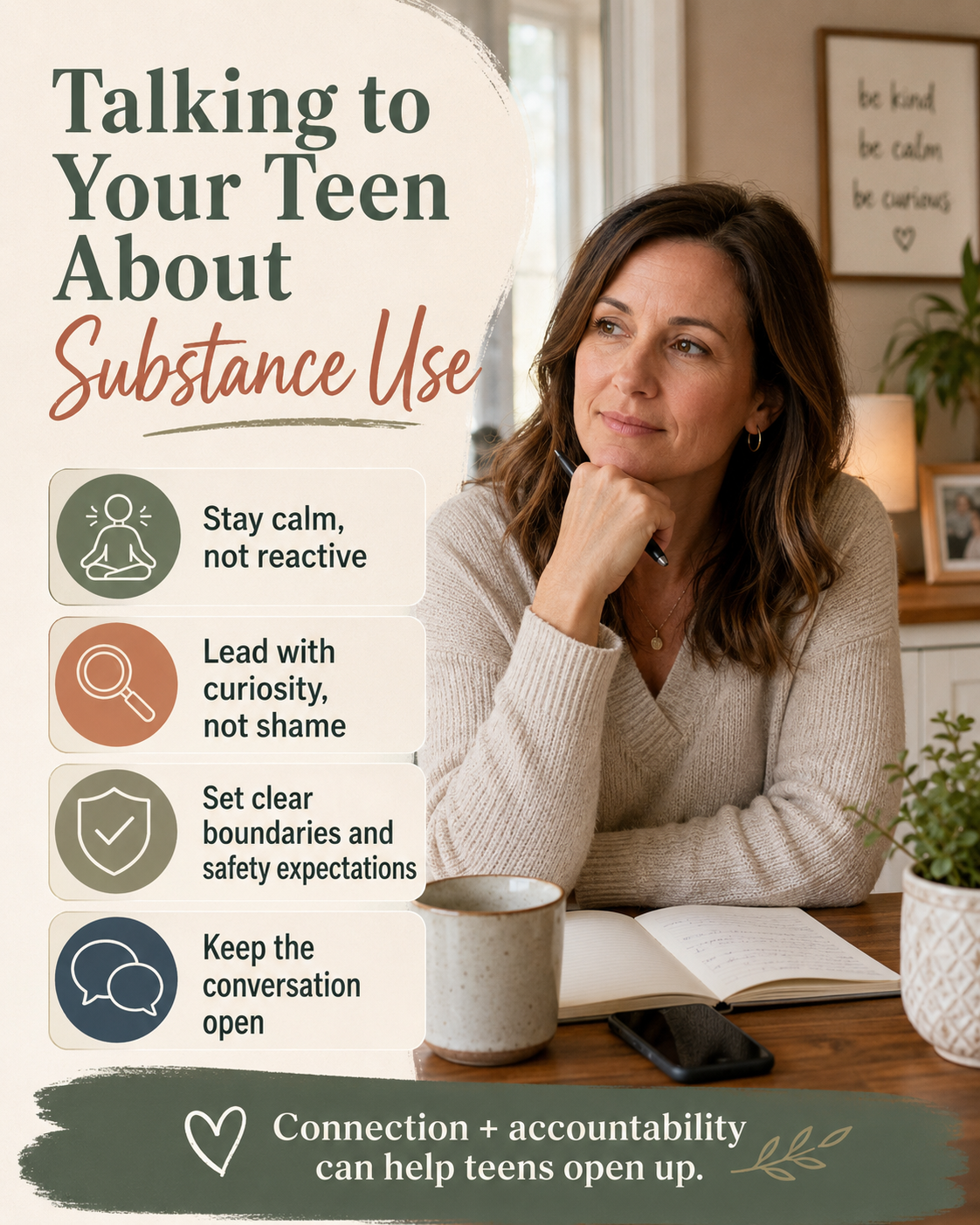
Teens, Substance Use, and the Conversations Parents Need to Have
Teen substance use can bring up fear, panic, and confusion for parents. This blog explores how to talk with your teen about substance use in a way that balances emotional safety, clear boundaries, accountability, and support.

Skepticism, Hypervigilance, and the Nervous System: When Protection Starts Running the Show
Skepticism and hypervigilance are often nervous system responses rooted in trauma, first responder stress, or neurodivergence. Learn how these protective patterns show up and how to lean into them for growth, change, and deeper connection.

When Your Child Is Being Bullied: Holding Them Steady While You Learn How to Advocate
Is your child being bullied? Learn how to support, regulate, and advocate for your child with practical, trauma-informed strategies. A warm, clinical guide for parents navigating bullying.






When Sex Means Different Things: How Hidden Wounds Turn Intimacy Into a Fight
It starts with a moment most couples recognize: a hand reaches, a body stiffens. When affection fades, couples fight about “always/never”—but it’s really about meaning.