


Virtual Therapy in South Carolina and Colorado
Therapy from home, without losing warmth, depth, or real connection.
Online therapy for adults, teens, couples, Nuerodivergence, and families
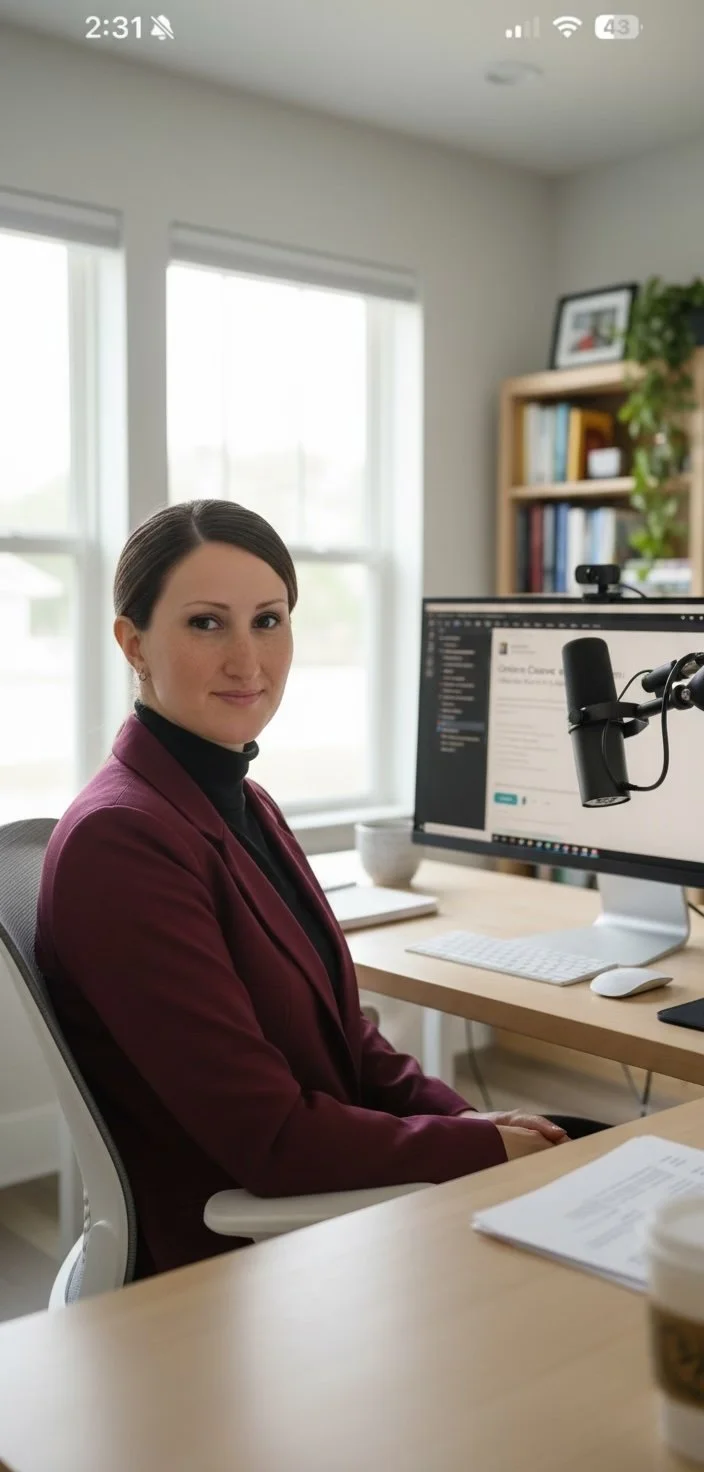
Therapy from home, without losing warmth, depth, or real connection.
Starting therapy does not have to mean sitting in an unfamiliar office or adding another drive, waiting room, and transition to an already full day. Sometimes it means finding a private space at home, closing the door, taking a breath, and finally having somewhere you do not have to hold everything together alone.
I’m Jennifer French, MA, LMFT, and I provide fully virtual therapy for teens, adults, couples, parents, and families throughout South Carolina and Colorado.Whether you are navigating anxiety, ADHD, autism, AuDHD, OCD, trauma, relationship stress, parenting, grief, burnout, or a major life transition, online therapy can give you space to slow down, understand what is happening beneath the surface, and begin creating change that can fit into your real life.
Online Therapy Can Still Feel Personal
Virtual therapy should not feel cold, distant, or like you are talking to a screen instead of another person. At Uncomfortably Comfy Couch, therapy is relational, collaborative, and human. There is room for honesty, difficult conversations, silence, curiosity, humor, and the moments when you are not even sure where to begin. We pay attention to your story, relationships, nervous system, strengths, needs, and the environments you are trying to function within. We look beneath the surface with curiosity instead of judgment and work together to understand what has been feeling stuck, painful, disconnected, or overwhelming. You do not need to have everything organized before you begin. Messy is welcome. We start with what is true and go from there together.
Who I Support Through Virtual Therapy
Online Therapy for Adults
Adult life can become a long cycle of responsibilities, expectations, and trying to keep up while quietly wondering how much longer you can continue holding everything together.Online therapy can offer space to work through anxiety, trauma, burnout, neurodivergence, grief, identity, relationship patterns, parenting stress, perfectionism, reproductive mental health concerns, or the parts of life that feel heavy and difficult to name. You can come to therapy from a familiar environment without adding travel time or another transition to your day.
Online Therapy for Teens
For some teens, joining therapy from home can feel safer and more manageable than walking into a new office. It can reduce the pressure of an unfamiliar setting and allow therapy to begin in a space where they already feel more grounded.
Teen therapy may support anxiety, ADHD, autism, AuDHD, OCD, school stress, friendships, emotional regulation, self-esteem, identity, family conflict, and major transitions. Therapy gives teens space to feel understood without every conversation becoming a correction, lecture, or reminder of what they should be doing differently.
Online Couples Therapy
Couples do not have to wait until the relationship feels completely broken before asking for support.
Online couples therapy can help with communication, recurring conflict, emotional disconnection, intimacy, parenting stress, neurodivergent relationship patterns, affair recovery, rebuilding trust, and learning how to turn toward each other differently. Depending on your needs, couples may join from the same private space or from separate approved locations. We will discuss the setup that supports privacy, safety, and the work we are doing together.
Online Parent and Family Support
Families often arrive in therapy after trying everything they know and still feeling caught in the same arguments, shutdowns, misunderstandings, or crisis cycles.
Family therapy and co-parent coaching can help parents and family members understand what is happening underneath behavior, communicate more clearly, create realistic boundaries, navigate transitions, and strengthen connection at home. Virtual sessions can also make it easier to work within the environment where many of the patterns and challenges are actually happening.
Who Virtual Therapy May Be a Good Fit For
Online therapy may be a helpful fit if you:
Live in South Carolina or Colorado and want access to therapy without being limited by driving distance
Have a busy work, school, caregiving, or parenting schedule
Feel more comfortable opening up from your own environment
Want to avoid travel time, waiting rooms, traffic, or additional transitions
Feel overwhelmed by traditional in-person appointments
Prefer the privacy and familiarity of your own space
Are neurodivergent and find driving, waiting rooms, unfamiliar environments, or sensory demands draining
Want therapy that can fit into real life instead of becoming one more thing to manage
Need flexibility while still wanting consistent, relationship-centered care
Virtual therapy is not automatically easier in every way, and it is not the right fit for every person or situation. We can talk honestly about your needs, privacy, safety, technology, and whether online care makes sense for you.
Therapy Specialties Available Online
Virtual therapy is available for a range of concerns and relationship needs:
ADHD Therapy
Support for executive functioning, time awareness, task initiation, emotional regulation, rejection sensitivity, relationships, routines, and burnout.Autism and AuDHD Therapy
Neurodiversity-affirming support for sensory needs, masking, communication, identity, executive functioning, relationships, and autistic or neurodivergent burnout.OCD, Perfectionism and Social Anxiety Therapy
Support for intrusive thoughts, compulsive patterns, reassurance seeking, perfectionism, social fear, rejection sensitivity, and uncertainty.Anxiety Therapy
Support for overthinking, panic, people pleasing, avoidance, emotional overwhelm, worry, and the nervous system patterns that make it difficult to feel settled.Trauma Therapy
Trauma-informed and nervous system-focused therapy for triggers, survival responses, emotional flooding, shutdown, hypervigilance, relationship wounds, and rebuilding safety.Teen Therapy
Support for school stress, neurodivergence, anxiety, identity, friendships, family conflict, emotional regulation, and growing independence.First Responder Therapy
Support for cumulative stress, trauma exposure, relationships, identity, burnout, emotional disconnection, and the impact of always needing to stay ready.Women’s and Reproductive Mental Health Therapy
Support for identity, fertility, pregnancy, postpartum experiences, reproductive loss, changing roles, relationships, trauma, anxiety, and emotional well-being.Couples Therapy
Support for communication, conflict cycles, emotional connection, intimacy, parenting, betrayal, affair recovery, and rebuilding trust.Family Therapy and Co-Parent Coaching
Support for communication, parenting stress, neurodivergent family needs, boundaries, transitions, conflict, and repairing connection.
Therapy may also include support for depression, grief, life transitions, family-of-origin experiences, identity, and relationship patterns that continue showing up even when you have tried to move past them.
Important Location Requirement for Online Therapy
You must be physically located in South Carolina or Colorado at the time of your therapy session. This requirement is based on where you are physically sitting during the appointment, not only where you live or which state you consider home. If you normally live in South Carolina or Colorado but are traveling somewhere else, we may not be able to meet while you are away. For couples or family sessions, each participating client’s physical location may matter. Please let me know in advance if anyone plans to join from another state. If you travel frequently or expect to be away, we can plan ahead and discuss how to support continuity of care while following professional and legal requirements.
Online Therapy Throughout South Carolina
Virtual therapy is available statewide to clients who are physically located in South Carolina at the time of their session. This includes Myrtle Beach, Carolina Forest, Conway, Surfside Beach, North Myrtle Beach, Charleston, Columbia, Greenville, Florence, Rock Hill, and other communities throughout South Carolina. You do not need to live near Myrtle Beach or another major city to work with a therapist who understands neurodivergence, trauma, relationships, parenting, anxiety, and nervous system regulation. All therapy services through Uncomfortably Comfy Couch are provided virtually.
Online Therapy Throughout Colorado
Virtual therapy is also available statewide to clients who are physically located in Colorado at the time of their session. This includes Denver, Colorado Springs, Boulder, Fort Collins, Lakewood, Golden, Broomfield, Aurora, Littleton, Westminster, and other communities throughout Colorado. Online therapy can provide consistent access to a Colorado-licensed therapist without requiring you to live near a particular office or fit travel time into your schedule.
What to Expect Before Your First Session
You can begin by scheduling a free 15-minute consultation or contacting me with a question. This gives us a chance to briefly discuss what brings you to therapy, where you will be located during sessions, and whether my services may be a good fit for your needs. After scheduling, you will receive access to a secure client portal. You will use the portal to complete intake paperwork, review practice policies and informed consent, provide insurance information when applicable, and manage appointments. The intake process helps us begin gathering the information we need, and we can continue making sense of the fuller picture together.
What to Expect in Your First Online Therapy Session
Your first session is about beginning to understand what brought you here and what support might look like moving forward. Many people begin therapy knowing only that something feels off, heavy, overwhelming, disconnected, or too difficult to keep carrying alone.
We may talk about:
What has been feeling most difficult lately
The patterns that keep appearing in your life or relationships
What you have already tried
What has felt helpful and what has not
Your history, stressors, strengths, identities, and current needs
What goals feel meaningful to you
What pace feels safe, realistic, and sustainable
Therapy is collaborative. We work together to understand what is happening beneath the surface, honor the strategies that helped you survive, and begin building change that can fit into your life.
What You Need for a Virtual Therapy Session
You will need:
A phone, tablet, or computer with a camera and microphone
A reliable internet connection
Access to the secure session link provided through your client portal
A private location where you feel comfortable speaking
To be physically located in South Carolina or Colorado
Headphones can provide additional privacy, and a password-protected personal device and private internet connection are preferable to public Wi-Fi or a shared workplace device. You are not expected to create a perfect therapy setup. If privacy, technology, sensory needs, disability access, or interruptions may make virtual sessions difficult, tell me. We can discuss realistic options and accommodations before the session.
Privacy and Safety During Telehealth
Your sessions are held through a secure telehealth platform. Choosing a private space helps protect your confidentiality and allows you to speak more openly.
For adults, this may mean a room with a door, headphones, a white-noise machine outside the room, or another private location where you can safely remain parked for the entire session.
For teens, we will talk with parents or caregivers about creating appropriate privacy while still having an adult available when clinically or legally necessary.
At the beginning of a session, I may need to confirm your current physical location and the best way to reach you if the connection is lost or a safety concern arises.
Insurance and Self-Pay
Uncomfortably Comfy Couch is in-network with select insurance plans for eligible clients in South Carolina and Colorado. Coverage depends on the specific plan, the state where you are located, telehealth eligibility, deductibles, copays, and authorization requirements.
Insurance benefits are verified before services are billed as in-network so you can have a clearer understanding of your expected costs. Verification is helpful, but it is not a guarantee of payment by the insurance company.
Self-pay and possible out-of-network reimbursement options may also be available. For the most current information, visit the Rates, Insurance and Booking page rather than relying on an insurance list copied across several pages.
When Virtual Therapy May Not Be Enough
Virtual outpatient therapy is not an emergency or crisis-response service. It may also not be the appropriate level of care when someone needs immediate stabilization, medical monitoring, intensive treatment, or in-person support for safety. If you are experiencing an immediate or life-threatening emergency, call 911 or go to the nearest emergency department. If you are experiencing suicidal thoughts, emotional distress, or a mental health or substance-use crisis in the United States, call or text 988 or use the 988 Lifeline chat. If virtual outpatient therapy does not appear to be the safest or most helpful fit, we can discuss referrals or a different level of support.

Why Virtual Therapy Can Work
Online therapy can offer flexibility and comfort without losing the depth, honesty, and human connection that meaningful therapy requires. My approach is collaborative, relationship-centered, neurodiversity-affirming, and nervous system-informed.
Therapy Should Meet You Where You Are
Virtual therapy allows us to begin with your real life, current capacity, relationships, environment, and what is happening now. You do not need to arrive perfectly prepared or know exactly where to begin.
Support From a Familiar Space
Being in your own environment may make it easier to settle in, access comfort items, use sensory supports, or begin talking without first adjusting to an unfamiliar office or waiting room.
Less Travel and Fewer Transitions
Online therapy removes the drive and waiting room from your appointment. This can make consistent care easier to fit around work, school, parenting, caregiving, and the energy your day already requires.
Neurodiversity-Affirming Access
Virtual care can reduce sensory demands, unfamiliar transitions, and the pressure to perform in a traditional office. Movement, fidgets, comfortable seating, reduced lighting, and other supports are welcome.
Skills Practiced in Real Life
Therapy happens in the environment where many routines, relationships, and challenges actually occur. This can help us create practical strategies that fit your space, responsibilities, nervous system, and everyday life.
Connection Still Comes First
The platform is only how we meet. The relationship is what makes the space feel personal. Therapy includes curiosity, honesty, collaboration, difficult conversations, humor, silence, and the time needed to understand what is happening beneath the surface.
You are not expected to perform, mask, or arrive with the perfect words. We build trust over time and move at a pace that is meaningful and realistic.
Support for Adults, Teens, Couples, and Families
For adults, virtual therapy may create room to process anxiety, trauma, neurodivergence, burnout, identity, grief, relationships, and life changes. For teens, joining from a familiar environment may offer a more comfortable place to begin.
Couples and families can work on communication, conflict, emotional connection, parenting, boundaries, and recurring patterns without needing everyone to travel to the same office.
Secure and Intentional Care
Sessions are held through a secure telehealth platform. Before beginning, we discuss privacy, technology, physical location, emergency planning, and any accommodations that could help you access therapy more comfortably.
Virtual therapy is not automatically the right fit for every person or situation. We will talk honestly about your needs and whether online outpatient care provides the safety, privacy, and level of support you need.
Change That Can Fit Into Your Real Life
Therapy is not about discussing what is hard and then returning to your life without knowing what to do with it. We work to understand your patterns, practice different ways of responding, and build support that can carry into the spaces where you live, work, learn, parent, and connect.
This is where we lean into the uncomfortably comfy places. Growth can be uncomfortable, but it should not feel lonely, shaming, or disconnected from the life you are actually living.
You are welcome here exactly as you are.
Frequently Asked Questions About Virtual Therapy
Starting therapy can bring up practical questions before you are ready to talk about anything personal. These answers explain how online therapy works at Uncomfortably Comfy Couch and what you can expect before getting started.
Where do you provide online therapy?
I provide fully virtual therapy throughout South Carolina and Colorado. You must be physically located in South Carolina or Colorado at the time of your appointment, even if you normally live in one of those states but are temporarily traveling somewhere else.
Do you offer in-person therapy in Myrtle Beach?
No. Uncomfortably Comfy Couch is a fully virtual practice. Online sessions are available to eligible clients located anywhere in South Carolina or Colorado, so you do not need to live near Myrtle Beach, Denver, or another major city to work with me.
Who do you work with through telehealth?
I provide online therapy for teens, adults, couples, parents, and families. My practice is neurodiversity-affirming and LGBTQ+ affirming, and I welcome clients who have felt misunderstood, expected to mask, or unsure whether traditional therapy would understand the fuller picture.
Can virtual therapy still feel personal and connected?
Yes. The screen is simply how we meet. Therapy can still include honesty, difficult conversations, curiosity, humor, silence, practical work, and a genuine therapeutic relationship. Many clients appreciate being able to begin from a familiar environment without first managing a drive, waiting room, or unfamiliar office.
Virtual therapy is not automatically the right fit for every person. We can talk about privacy, safety, technology, your goals, and the level of support you need before deciding whether telehealth makes sense for you.
What concerns do you address in online therapy?
I support clients navigating ADHD, autism, AuDHD, executive functioning, anxiety, OCD, perfectionism, rejection sensitivity, social anxiety, trauma, depression, grief, burnout, identity, reproductive mental health, parenting, relationship stress, intimacy, affair recovery, family conflict, and major life transitions.
You do not need to know which category fits before reaching out. We can begin with what is happening now and become curious about the patterns together.
Do I need an ADHD, autism, AuDHD, or OCD diagnosis to begin therapy?
No. You do not need a formal diagnosis to begin therapy. You may already have a diagnosis, be questioning whether neurodivergence is part of your experience, or simply know that the usual strategies have never fit the way your brain works.
Therapy is not the same as a formal psychological or neuropsychological evaluation. If testing or specialized assessment would be helpful, we can discuss appropriate referral options.
Is online therapy private and secure?
Sessions are held through a secure telehealth platform. You will receive access through your client portal rather than using a public meeting link.
Your environment matters too. A private room, headphones, a password-protected personal device, and a private internet connection can help protect your confidentiality. A safely parked car may sometimes provide privacy, but you should never participate in therapy while driving.
What technology do I need for a telehealth appointment?
You will need a phone, tablet, or computer with a camera and microphone, a reliable internet connection, and access to the secure link in your client portal. Headphones are optional but may provide additional privacy.
If technology, sensory needs, disability access, privacy, or interruptions may make virtual sessions difficult, let me know. We can discuss realistic options and accommodations before your appointment.
Can my teen participate in virtual therapy?
Yes. Virtual therapy can offer teens a more comfortable place to begin, especially when unfamiliar offices, transitions, sensory demands, or anxiety make in-person appointments harder.
Teens need an appropriate level of privacy during sessions. We will also talk with parents or caregivers about consent, confidentiality, communication, and when caregiver involvement may be clinically or legally necessary.
Can couples or family members join from different locations?
Sometimes. Couples or family members may be able to join from separate private locations when the setup supports the therapy work. Each participant’s physical location can affect whether the session may legally proceed, so please discuss separate locations with me before the appointment.
What happens if I travel outside South Carolina or Colorado?
Therapy rules are based on where you are physically located during the session. If you travel outside South Carolina or Colorado, we may need to reschedule or discuss what support is legally available while you are away. Let me know about travel plans as early as possible so we can plan ahead.
Do you accept insurance, and what does therapy cost?
I am in-network with select insurance plans for eligible clients in South Carolina and Colorado. Coverage depends on your plan, physical location, telehealth benefits, deductible, copay, and authorization requirements. Insurance benefits are verified before eligible services are billed as in-network, but verification is not a guarantee that an insurer will pay.
Self-pay and possible out-of-network reimbursement options may also be available. Visit the Rates, Insurance and Booking page for the most current information.
What happens during the first online therapy session?
The first session gives us time to begin understanding what brought you to therapy, what has been most difficult, the patterns you have noticed, what you have already tried, and what support could realistically look like.
You do not need a perfect explanation or a complete list of goals. We can start with what feels most present and continue making sense of the fuller picture together.
What therapy approaches do you use?
My approach is collaborative, attachment-based, neurodiversity-affirming, trauma-informed, and nervous system-informed. Depending on your needs, therapy may draw from mindfulness, Acceptance and Commitment Therapy, DBT skills, EMDR, Polyvagal Theory, Emotionally Focused Therapy, Gottman-informed couples work, family systems, and practical strategies for everyday life.
The goal is not to fit you into one rigid method. We consider your identities, relationships, nervous system, strengths, communication style, current capacity, and what actually helps outside the therapy session.
How do I get started with virtual therapy?
You can begin by scheduling a session or a free 15-minute consultation through the secure scheduling portal. You can also send a question if you are unsure which service fits or want to ask about location, availability, or payment before scheduling.
Is virtual therapy available during a mental health emergency?
Virtual outpatient therapy is not an emergency or crisis-response service. If you are experiencing an immediate or life-threatening emergency, call 911 or go to the nearest emergency department.
If you are experiencing suicidal thoughts, emotional distress, or a mental health or substance-use crisis in the United States, call or text 988 or visit 988lifeline.org for chat support.
Still unsure whether online therapy is the right fit? You are welcome to ask a question or schedule a free 15-minute consultation before deciding.
Ready to Begin Online Therapy?
You do not have to have everything figured out before reaching out. Fully virtual therapy is available for teens, adults, couples, parents, and families throughout South Carolina and Colorado.